The Malabis: A Charming Script Font for Digital Engagement
In the high-speed world of digital marketing, your visuals are your first conversation. They set the tone, capture attention, and silently communicate your brand's values before a single word is read. For marketers, content creators, and designers tasked with building these scroll-stopping moments, the choice of typeface is a strategic decision. It’s not merely decorative; it’s a core component of your communication toolkit. The Malabis enters this space as a uniquely versatile asset—a script font that balances elegance with approachable charm.
The Visual Personality of a Premium Script Font
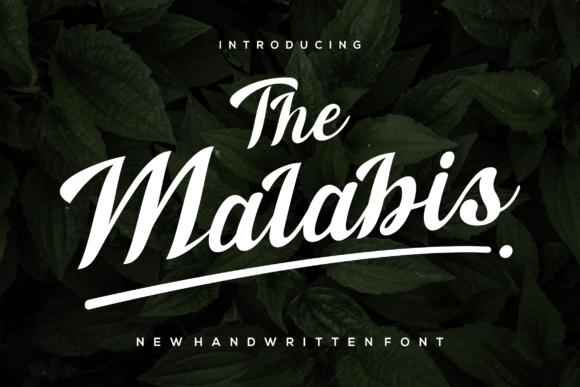
The Malabis possesses a distinct handwriting style that feels both personal and polished. Its flowing letters carry an elegant rhythm, yet they avoid the overly formal stiffness of some traditional script fonts. This creates a mood that is sophisticated without being cold, and charming without being casual. The overall appeal is one of curated warmth, making it an ideal choice for brands and creators who wish to project authenticity, creativity, and a touch of refined personality. This is a modern typography choice that works across a spectrum from luxury to lifestyle.
Commanding Attention Across Digital Platforms
The true test of any display font is its performance in the environments where audiences actually engage. The Malabis excels here by creating focal points that break through the noise.
- Social Media Graphics: For Instagram posts or Pinterest pins promoting a new product line, The Malabis applied to the key product name or campaign tagline immediately elevates the graphic from generic to bespoke.
- YouTube Thumbnails & Reels Covers: In a tiny, competitive space, clarity and style are paramount. Using The Malabis for your video title or series name ensures it remains legible and memorable, encouraging clicks.
- Email Headers & Website Banners: A seasonal sale announcement or a product launch teaser in your email campaign or site hero section gains instant gravitas and visual appeal with this font.
- Digital Ads & Promo Graphics: Whether for a Facebook ad or a digital banner, applying The Malabis to your primary offer or value proposition draws the eye and frames your message as something special.
- Campaign Visuals: For a coordinated content series or webinar promotion, using The Malabis consistently across all banners, thumbnails, and promotional assets builds powerful visual consistency and brand recognition.
Building Hierarchy, Readability, and Memorable Messaging
From a tactical design perspective, The Malabis is a masterful tool for establishing visual hierarchy. Its distinctive style naturally commands attention, allowing you to guide the viewer’s eye to your most important message first. For a sale announcement graphic, the “50% Off” callout in The Malabis becomes the undeniable hero, while supportive details in a complementary font provide context.
Readability is critical, especially on mobile screens and in fast-scrolling feeds. While this creative font is best used for headlines, titles, and short text callouts, its letterforms are clear and well-defined. To ensure optimal readability in thumbnails or small previews, avoid overly condensed layouts and provide ample contrast against your background. Pairing it with a clean, highly legible sans serif font for body text, captions, or lengthy descriptions creates a perfect balance of style and function.
Influencing Perception from First Impressions to Campaigns
The font you choose directly shapes audience perception. The Malabis, with its elegant yet handcrafted feel, can frame a product launch as exclusive and considered. It can make a personal branding post feel more intimate and authentic. In seasonal promotions, it can evoke a sense of curated celebration rather than a generic discount. This influence on first impressions is why typeface selection is so vital for online campaigns; it’s the silent ambassador of your brand’s story.
Consider a practical example: an inspirational quote graphic for a lifestyle brand’s social feed. Using The Malabis for the quote itself transforms a simple text post into a shareable art piece, reinforcing the brand’s aesthetic values. For an online shop promoting a handmade collection, the font applied to collection names on the website or in promotional emails directly echoes the artisan quality of the products.
Strategic Application and Font Pairing
The Malabis works best as a display font—for short, impactful text where personality is paramount. It is superb for headlines, logo marks (or logotype accents), product titles, decorative accents, and key callouts. It is not intended for long paragraphs or dense body text.
Practical font pairing amplifies its effectiveness. For a clean, modern, and widely legible look, combine The Malabis with a straightforward sans serif font for all supporting text. This pairing is excellent for most digital marketing assets, from ads to website content. For a more editorial or classic feel, such as in a branded blog header or packaging design mock-up, pairing it with a complementary serif font can deepen the sophisticated tone.
Before integrating The Malabis into your active toolkit, a crucial step is to review its commercial licensing terms. Understanding the license ensures you can use this font confidently in client campaigns, digital ads, merchandise, templated products, or any commercial digital products you create. This due diligence protects your projects and respects the work of the typeface designer.
A Tool for Cohesive Brand Identity
Ultimately, for marketing specialists and creators, a font like The Malabis is more than a single design asset. Its consistent application across digital platforms—from social media graphics to web design elements—builds a cohesive visual language. This consistency strengthens brand identity, makes content instantly recognizable, and fosters a deeper, more professional connection with your audience. In a landscape where visual communication is paramount, having a distinctive and charming script font in your arsenal is not just a design choice; it’s a communication strategy.